

EUCHARIST CHURCH AND THE WORLD
The Divine Eucharist -the Church’s mystery and sacrament par excel- lence, which constitutes the Church and gathers to her the scattered people of God- was linked from very early on with the experience of a foretaste of the Eschaton and of a proleptic manifestation of the coming Kingdom since, the Church was considered to be an image of the Escha- ton in History. The expectation of the Kingdom and the vision of another life far from injustice and division, decay and death have marked the the- ology and liturgical practice of the Church from the beginning. Later, this becomes embedded in the Orthodox iconographic tradition.
What distinguishes the Church from other religions and religious com- munities –what makes the Church truly the Church, to recall a central teaching of His Eminence Metropolitan John (Zizioulas) of Pergamon– is not the confession of faith, moral perfection, or even the therapeutic method or psychological support, but the Divine Eucharist. This is not a sacramentalistic ritual or a display of individual religious piety. Nor is it an opportunity for an isolated individual or ruling “class” to use its special position in the celebration of the sacrament to exercise its authority and supremacy, to the detriment of the body of believers. On the contrary, the Divine Eucharist is a mystery of unity, fellowship and communion in the Body of Christ; a sacrament of equality and participation, of universal brotherhood and sisterhood with God, fellow humans and all creation. This is because in the Divine Liturgy and the Holy Eucharist all forms of bondage and hierarchy and all kinds of created and man-made divisions along the lines of gender, race, ethnicity, language, culture, social class and origin are made relative and are transcended. The oldest and most char- acteristic examples are provided by the well-known passages from the Acts of the Apostles (2:42-47, 4:32-37 and 6:1-6), which describe the wor- ship and the life of the early Christian community in Jerusalem. Here, the Resurrection and a radical social transformation, the Eucharist and volu- ntary property sharing, a common Eucharistic meal and the distribution of food are all linked together. In its genuine expression and dimensions, the Holy Eucharist, despite being celebrated by hierarchs, actually does away with the hierarchic world and its structures and levels of domina- tion, which reflect only the order of the fallen world. The Holy Eucharist becomes the “Liturgy after the Liturgy”, in the sense of its relationship with the sacrament of unity and radical social transformation. It also pre- supposes catholic participation, through the anaphora of the people, and a transcendence of the mediatory (Judaic) priesthood, which is replaced by a charismatic priesthood (of all the faithful), according to the perspec- tive offered by the Epistle to the Hebrews.
Within this perspective, ecclesiastical functions and offices recover their lost Eucharistic and eschatological reference and foundation, since they exist because of the Eucharist, which is celebrated with the people and not instead of the people. Ecclesiastical functions are first and fore- most a liturgical ministry within the Body, and not offices raised above the Body and made autonomous from the Eucharistic/catholic gathering of the people, transforming them into positions of authority and creating a separate priestly “class”.
Eucharist and eschatology, along with catholicity and ecumenicity, con- stituted the identity of the Church and defined the consciousness of the early Christian communities. But what is the current ecclesiastical real- ity and how consistent is this with the early Church’s ecclesial/Eucharis- tic consciousness? What is the relationship between ecclesiology and the Eucharist, between the mysteries/sacraments and the Eucharist, and to what degree does the Eucharist continue to have a cosmic and social di- mension? What is the witness and what is the effect of the Eucharistic vi- sion and ethos on today’s fragmented and divided world, a world which now is additionally facing the imminent threat of an irreversible environ- mental catastrophe? And what about Eucharist and mission and Eucharist and ascetic discipline? And to what degree do the injunctions of the lat- ter suppress catholic participation in the reality of the Eucharist?
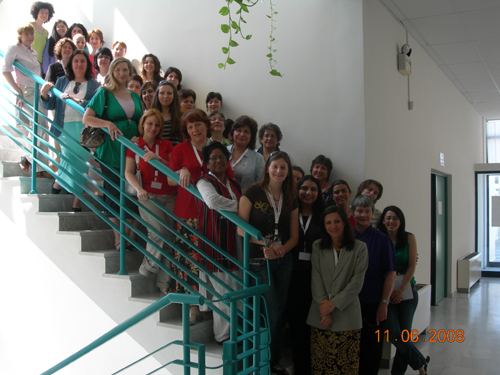
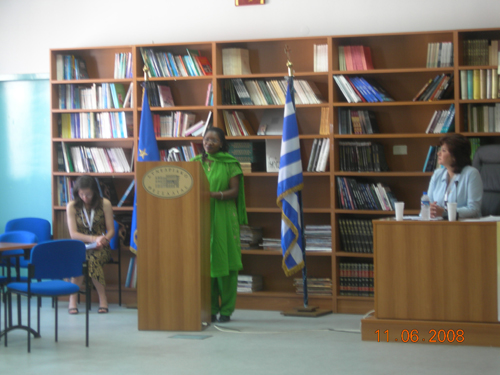
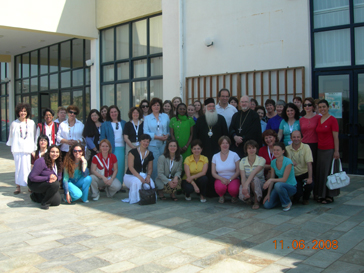
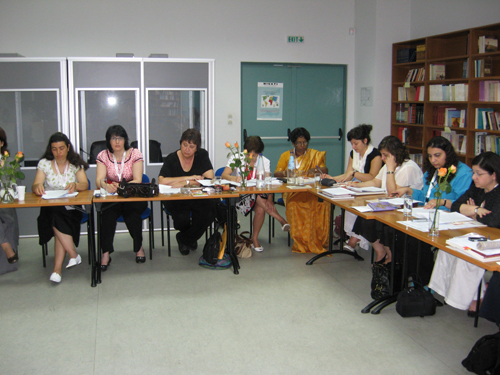
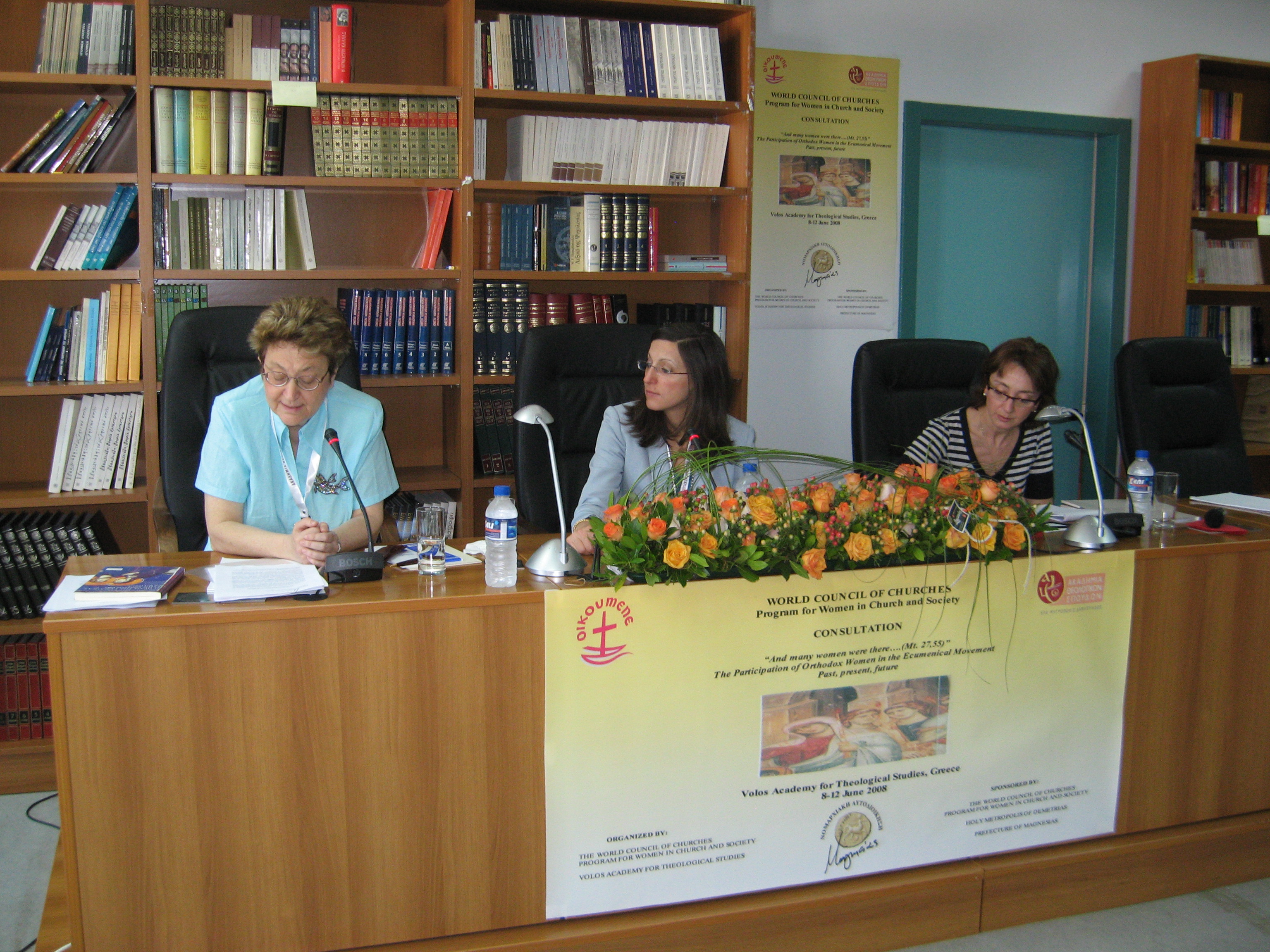
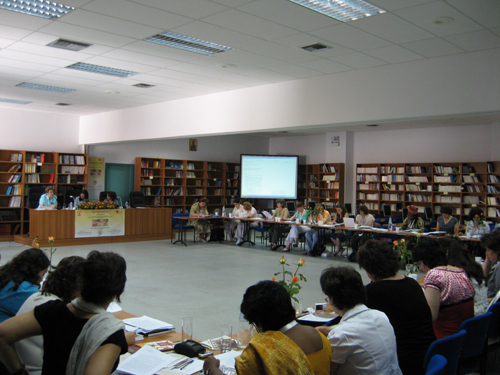
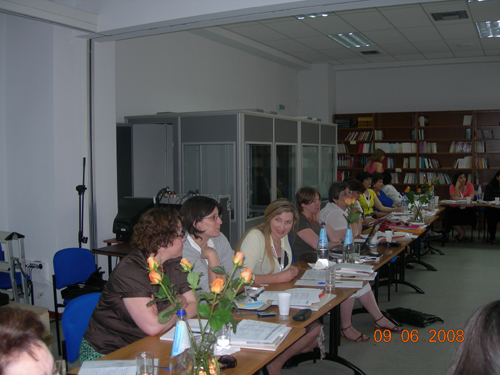
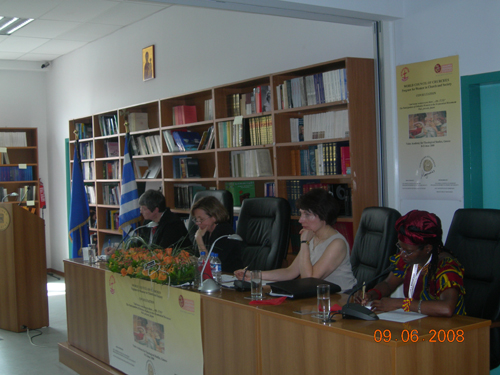
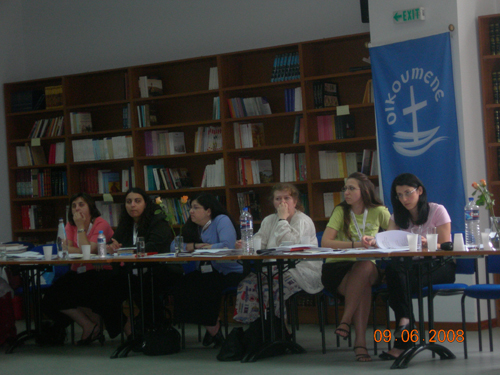
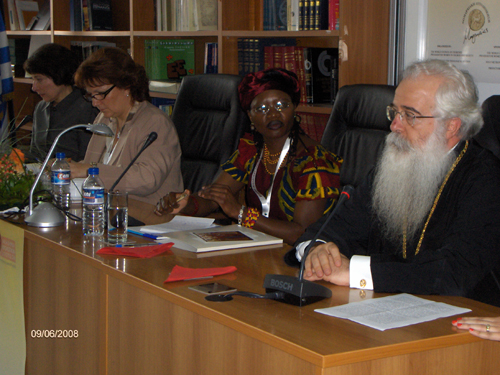
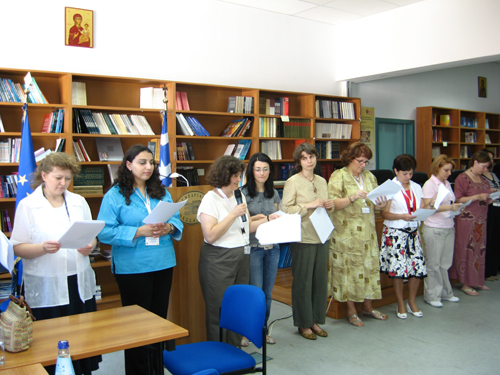
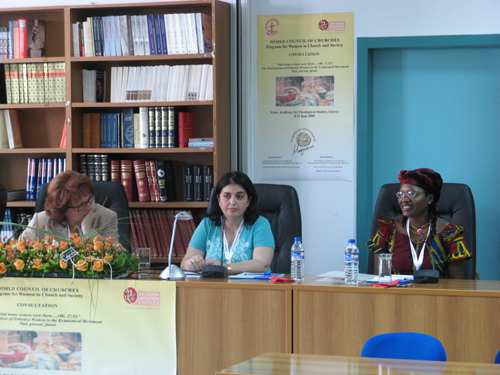
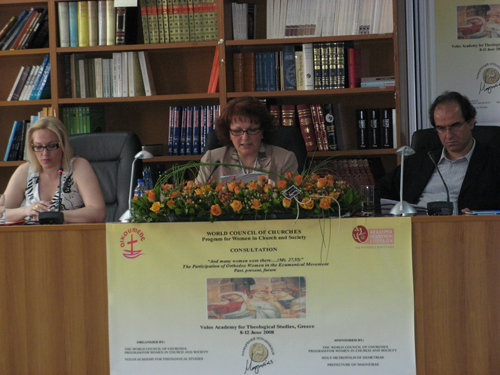
These are the critical questions which will occupy the Academy for Theological Studies in this, its eighth series of seminars, under the gen- eral theme of: Eucharist, Church, and the World. The Academy will also, in parallel events, be looking at topics such as Theology and Literature (in cooperation with the journal Nea Hestia), The Participation of Orthodox Women in the Ecumenical Movement (in cooperation with the World Council of Churches), Theological Education: A Radical Reappraisal (in cooperation with the World Conference of Associations of Theological Institutes [WOCATI] and the WCC’s Program of Ecumenical Theological Education), Meeting the Needs and Challenges of Religious Education To- day: Improving Our Pedagogical Methods (Program of Continuing Edu- cation for Teachers of Religion), and more.
Below you can flip through the program or download it.
Download the program in pdf format
Download the poster in pdf format
Women Conference